
Environmental - impact of Cocoa, Banana and Sugarcane
Posted by Ruth Medd on 21st Aug 2026
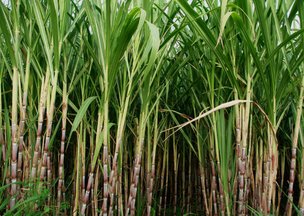
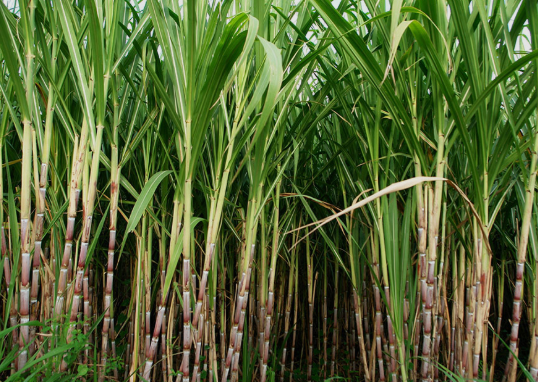
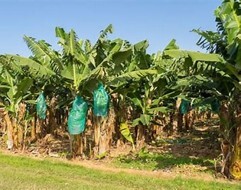
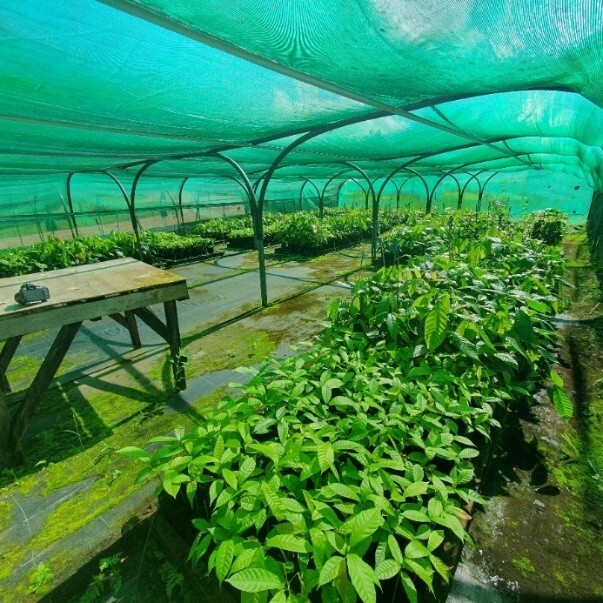
In far north Queensland (FNQ), the environmental footprint of agriculture is heavily scrutinized due to its proximity to the Great Barrier Reef (GBR). This blog looks at the impact of cocoa, bananas, and sugarcane. For those readers yet to experience the sights of FNQ, here are images of the three crops.
Sugar cane FNQ Banana FNQ
Cocoa plantation Charley's Cocoa Nursery Charley's
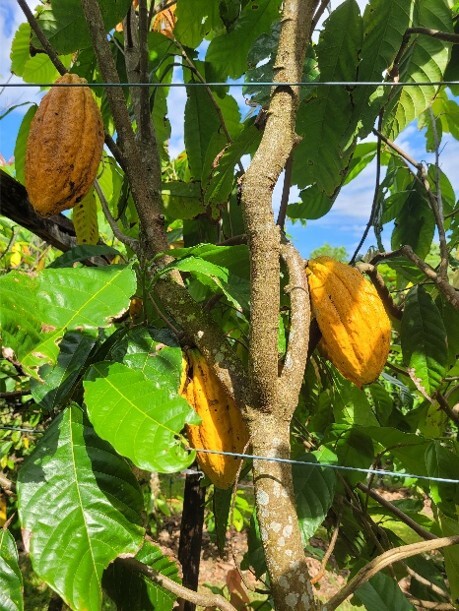
Cocoa, bananas and cane: Charley’s place in the FNQ landscape
Drive through Far North Queensland and you’ll see three crops dominating the tropical coast: sugarcane across the coastal plains, bananas crowded onto the slopes of the Tully and Innisfail catchments, and, more recently, a small but growing footprint of cocoa. Each sits within sight of the World Heritage-listed Wet Tropics and the Great Barrier Reef, and each has its own story to tell about how tropical agriculture and reef stewardship fit together.
At Charley’s we’re the newcomer. Our tree-to-bar model is distinctive enough that it’s worth explaining how it differs from the industrial-scale growing that dominates the region, not to rank ourselves above anyone, but because the method genuinely shapes what ends up in our chocolate and what we leave on the land.
Sugarcane: the regional workhorse
Cane has been the dominant land use across FNQ’s coastal catchments for well over a century. It’s productive, it supports thousands of regional jobs, and it’s increasingly finding a second life in bioenergy and fibre products.
The historical challenge for the reef has been dissolved inorganic nitrogen running off into inshore waters, where it can feed algal blooms and crown-of-thorns starfish outbreaks. The industry has responded through the Smartcane BMP programme, using legume fallow crops to fix nitrogen naturally and steadily reducing fertiliser loads per tonne of cane. The transition is ongoing.
Bananas: the high-intensity neighbour
FNQ grows about 94% of Australia’s bananas, with the largest concentration around Tully and Innisfail. Bananas are chemical-intensive by nature: they’re vulnerable to fungal disease in a wet tropical climate, and supermarket cosmetic standards drive both fungicide use and significant on-farm rejection rates. Growing them on wet-season slopes makes topsoil management a constant engineering challenge, met through contour planting, inter-row grass and sediment traps.
As with cane, the industry has invested heavily in reef-friendly practices, and the best-run farms look very different from how they operated twenty years ago.
Cocoa: a different model
Cocoa is new enough in FNQ that the scale remains small. At Charley’s our approach is shade-grown and rainforest-integrated. That’s a deliberate choice, and it carries some advantages worth noting, with the important caveat that these are features of how we grow, not of cocoa generally. Industrial cocoa in West Africa and Indonesia looks nothing like what happens on our farm. A few things come from the model we’ve chosen:
- Our trees sit alongside rainforest canopy and nursery species, which means habitat for birds, insects, and a few regular cassowary visitors.
- As a perennial tree crop, cocoa doesn’t require annual soil cultivation, so the fungal and microbial networks underground stay intact year after year.
- In our high-rainfall location, our supplementary irrigation needs are modest, in the order of 1 ML per hectare, because the Wet Tropics does most of the watering for us.
- Chemical inputs are kept low by design, though this takes active management and isn’t something you get for free simply by planting cocoa.
The bigger picture
FNQ agriculture is a landscape where three very different industries, at very different scales, are all working out how to produce food in one of the most environmentally sensitive regions on the planet. Cane and banana growers have done more on reef stewardship than they often get credit for, and Charley’s at our current scale wouldn’t be viable without the wider regional infrastructure that the larger industries have built.
What we can say with confidence is that our particular tree-to-bar model keeps a small patch of the FNQ rainforest doing something it’s well suited to: growing a tropical tree in a tropical forest, with a light footprint, and turning it into chocolate we’re proud to put our name on.
So, go cocoa!!
References
Reef 2050 Water Quality Improvement Plan Reef plan
Cassowaries under the trees at Charley’s